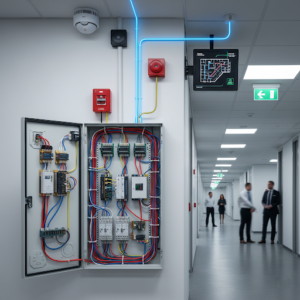

Nonprofit organizations mostly work with limited budgets but still rely heavily on technology. From managing donations to running programs, communicating with volunteers and storing data, a reliable network is essential. One smart and cost-effective solution that helps nonprofits grow without overspending is structured cabling.
This organized system of cables, connectors and hardware supports data, voice and communication networks. Besides, it uses a planned layout to avoid mess and make the network easier to manage, upgrade, and expand.
Provides a Strong and Reliable Network Foundation
NPOs rely on reliable internet and stable communication systems for emails, online meetings, cloud tools and donor databases. Structured cabling creates a solid foundation for these systems.
It reduces major issues, including connection drops, slow data speeds and signal loss. With a seamless network, staff and volunteers can focus more on their work instead of fixing technical issues.
Lastly, a strong network is the key to building trust with donors and partners who expect smooth communication and secure data handling.
Reduces IT and Maintenance Costs
Unorganized cabling makes it challenging to find and fix problems. When something goes wrong, the IT team may take hours tracing cables and replacing the wrong parts. This requires more effort and leads to higher maintenance costs.
Structured cabling resolves this issue as well; labelled and neat cables make troubleshooting fast and simple. Issues can be fixed quickly without disrupting the entire network.
Over time, it reduces the need for frequent repairs and emergency IT support, saving non-profits money.
Makes Network Growth Easy and Affordable
When NPOs expand, they require more technology. They add more staff, volunteers, computers, printers, security systems and communication tools.
Structured cabling makes adding new devices simple. The system is designed to support expansion without any significant changes. You can easily connect new cables without removing or rebuilding the existing network.
This makes scaling affordable and avoids enormous upgrade costs every time the organization grows.
Supports Multiple Systems with One Setup
NPOs use several systems at once, including security cameras, WIFI networks, access control systems, internet and data networks, phones and VoIP systems, etc.
Structured cabling supports all these systems through one organized setup. It all can be done without requiring separate wiring systems, which lowers installation and equipment costs.
Improves Office Organization and Safety
Messy cables create clutter and increase security risks. Loose wires get damaged easily and can cause equipment failure or severe accidents. Structured cabling keeps everything clean and well-organized.
Secured, labelled, and well-protected cables improve office security and reduce wear and tear on equipment.
A clean setup leaves a good impression on visitors and creates a more professional working environment for everyone, including staff and volunteers.
Prepares Nonprofits for Future Technology
Technology changes rapidly. That’s why NPOs are also adopting advanced tools such as cloud platforms, virtual meetings, digital fundraising, or smart security systems.
Structured cabling is future-ready. It supports new technology and higher data speeds without needing a full replacement. It allows NPOs to upgrade their tools gradually instead of making costly changes all at once.
Future-ready NPOs are considered efficient and competitive while staying within their budget.
Final Words
Structured cabling is one of the best investments for NPOs planning to expand within their budget constraints. From reducing maintenance costs to supporting easy expansions, improving network reliability, structured cabling prepares NPOs for future technology needs.
Therefore, choosing structured cabling helps non-profit organizations to scale their network cost-effectively. Also, they can focus more resources on their mission and community impact.