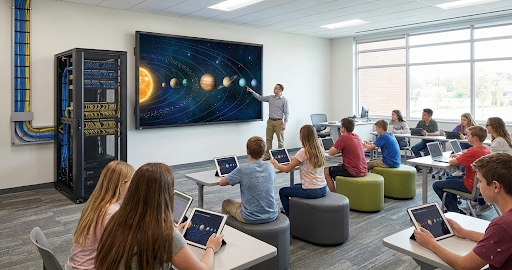
Education is changing rapidly. Smart classrooms have replaced traditional classrooms, and using digital tools, online platforms and interactive learning systems has become a new norm.
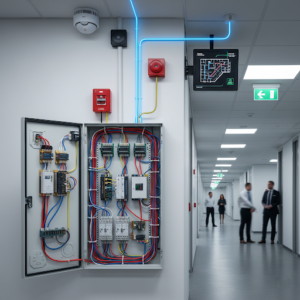
Behind all this advanced technology is one critical element that often goes unnoticed, i.e., future-ready cabling. Strong cabling is the key to why most advanced classroom tools perform optimally.
What Is Future-Ready Cabling?
It’s a structured cabling system designed to support both current and upcoming technology needs. These systems are built with reliability, scalability and speed in mind. Therefore, instead of upgrading cabling frequently, schools can rely on one strong infrastructure that ensures and supports long-term digital growth.
Reliable Connectivity for Digital Learning Tools
Modern classrooms require strong internet connections for smooth learning. Tools like online learning portals, smart boards, video lectures, and cloud-based applications require consistent network performance.
That’s why schools need future-ready cabling for faster data transmission, minimal network interruptions, smooth video streaming and sustained virtual classes. The reliable system helps teachers focus on teaching instead of fixing technical issues and glitches.
Supports Multiple Devices at Once
Nowadays, modern classrooms use several devices at once. Students connect laptops, tablets and mobile devices to the school network while teachers use digital tools.
Poor cabling can disturb everything as it causes network slowdowns and disconnections. A future-ready cabling system is designed to handle high device density without performance issues, ensuring equal access for all users.
Enables Smart Classroom Technology
Advanced classroom technologies, including smart projectors, interactive whiteboards, digital attendance systems, and audio-visual conferencing tools.
Future-ready cabling supports low-voltage systems and high bandwidth requirements, ensuring these tools function efficiently and consistently.
Easy Scalability for Growing Schools
Educational institutes grow over time. Schools keep on adding new classrooms, labs and learning centres along with the latest technologies.
Future ready cabling makes this expansion easier without major rewiring. This not only ensures uninterrupted learning but also saves time and money.
Improves Network Security
The rise in digital learning has also increased the demand for stronger cybersecurity. Structured cabling helps create well-managed and organized networks that are easier to secure and monitor.
From reducing vulnerabilities to protecting students’ data and supporting secure access control systems, a clean cabling setup helps a lot in improving digital learning.
Reduces Long-Term Costs
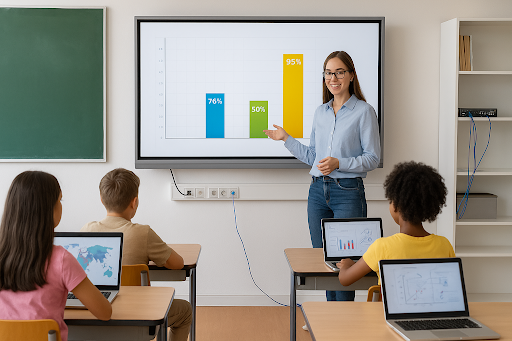
Surely, future-ready cabling requires a higher upfront investment, but it significantly reduces long-term costs. Schools experience fewer downtimes, minimal upgrades and limited maintenance issues.
Over time, it leads to better budget management and improved return on investment.
Supports Hybrid and Remote Learning Models
Hybrid learning is common now as most schools offer a combination of in-person and online education. Future-ready cabling prepares classrooms for live streaming, recorded lectures and real-time collaboration without technical disruptions.
This flexibility creates a healthy learning environment and helps institutions adapt to changing educational needs.
Bottom Line
Future ready cabling is the backbone of smart classrooms and digital learning environments. From reliable connectivity to modern teaching tools, network security and long-term scalability, it supports everything to make learning simple and easily accessible.
For schools planning to expand digital education, investing in strong cabling infrastructure isn’t optional; it’s mandatory. By preparing today, educational institutions can create an effective learning environment for everyone for years to come.