In commercial buildings, emergencies can happen at any time. Fires, power failures, medical situations or security threats require a quick and well-coordinated response.
While most people think about alarms, sprinklers or emergency exits, one key factor is overlooked, mainly, i.e., cabling design. Proper cabling plays a pivotal role in how quickly and efficiently the emergency system works during critical moments.
What Is Cabling Design?
Cabling design refers to how low-voltage and network cables are planned, installed, labelled and managed inside a building. This includes cabling for CCTV cameras, fire alarms, emergency lighting, access control systems, communication systems and HVAC controls.
A well-designed cabling system is the key to ensuring everything works smoothly and reliably, especially during emergencies.
Faster Communication During Emergencies
Clear and immediate communication matters a lot during emergencies. Fire alarms, public address systems and emergency notifications all depend on structured cabling. Poorly designed or cluttered cabling may delay or disrupt signals. This can slow down alerts to occupants and emergency teams.
In contrast, organized and properly routed cabling ensures that alarm triggers instantly and messages reach the correct destination without any interruption. This helps people evacuate safely and allows emergency responders to act without confusion.
Reliable Fire and Life Safety Systems
From emergency lighting to fire alarm systems and smoke detectors, everything relies heavily on low-voltage wiring. Outdated, damaged or poorly installed cables may cause system failure. Even a few seconds of delay can increase the risk in a fire or medical emergency.
Good cabling design includes using the right types of cables, protecting them from physical damage and keeping them separate from high-voltage lines. This improves reliability and ensures that life safety systems remain operational under stress.
Better Access for Emergency Responders
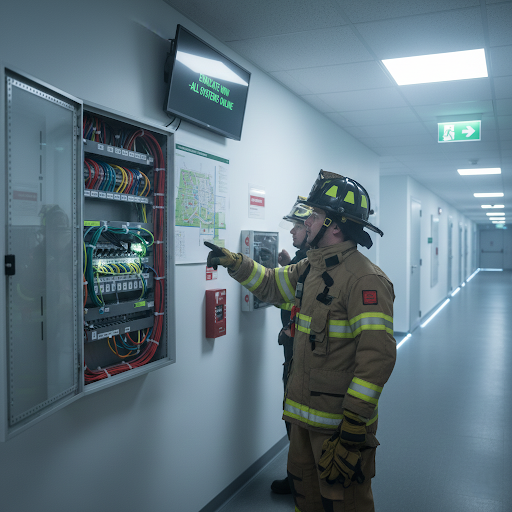
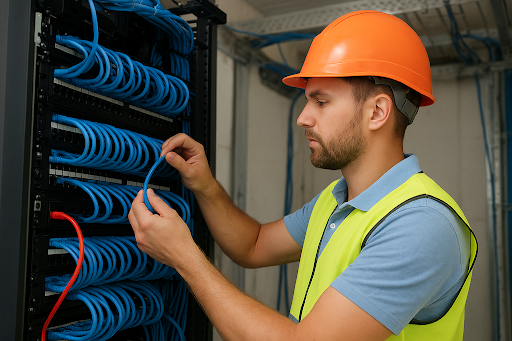
In large commercial buildings like schools, hospitals or corporate offices, emergency responders need quick access to building systems. Well-labelled and properly organized cabling makes it easier for technicians and responders to identify and control systems, including access doors, surveillance feeds or communication panels.
Poor cabling design can create confusion, making it challenging to restore services quickly. Clear cable labelling and centralized cabling rooms help responders save valuable time during critical situations.
Reduced System Failure During Power Issues
Many emergencies involve power disruptions. Structured cabling supports backup systems such as a generator, emergency lighting and UPS units. A clean cabling layout supports essential services and ensures the backup system activates properly.
Conversely, messy or overloaded wiring may cause disconnections, overheating, increased downtimes or failures during emergencies. Well-designed cabling reduces all such risks and keeps essential systems running.
Improved Coordination Between Systems
Modern commercial buildings depend on multiple systems working together. For instance, during a fire, HVAC systems may shut down, access doors may unlock, alarms may sound, and emergency lights may activate. All of this coordination depends on well-planned cabling.
Poorly cabling impedes smooth communication, causing delays or partial failures. That’s why structured cabling is essential for smooth integration between systems, improving overall emergency response.
Long-Term Safety and Compliance
Proper cabling design also helps buildings meet safety codes and regulations. Regular inspections, organized cable pathways, and quality installation reduce hazards and improve long-term safety.
This not only protects occupants but also reduces legal and operational risks for building owners.
Bottom Line
Cabling designs are not visible but significantly impact during emergencies. From faster alerts to reliable safety systems, better responder access and system coordination, proper cabling prepares commercial buildings for critical situations.
Investing in good cabling not only improves performance but also ensures safety, preparedness, and peace of mind.