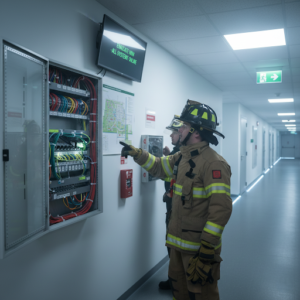

In mission-critical facilities, even a few minutes of downtime can cause serious issues. Places like airports, hospitals, data centres, financial institutions and emergency response systems require uninterrupted systems to function efficiently and safely. Proper cabling design is often overlooked, yet it plays a pivotal role in keeping everything running smoothly.
Cabling may seem like a basic technical detail, but outdated or poorly installed cabling may lead to system crashes, network failures and expensive downtime.
Therefore, a well-planned cabling system is the key to ensuring reliability, safety and long-term improved performance.
Why Downtime Is So Risky in Mission-Critical Facilities
Downtime is more than an inconvenience in critical environments. For instance, in hospitals, it can disrupt patient monitoring or life-saving equipment. In data centres, it may cause financial damage or sensitive data loss. For places like airports, even a minor technical issue can delay flights.
Not every time, software failures cause downtime issues in such places. Many start with physical infrastructure problems such as signal interference, overheating, loose cables or poor cable organization. That’s why it’s essential to plan cable design carefully from the start.
How Proper Cabling Design Prevents Failures
One of the key benefits of a structured and well-planned cabling system is that it reduces the risk of system breakdowns. Proper cabling design ensures that data, voice and power cables are routed properly, labelled correctly and protected from damage.
Moreover, good cabling decreases signal interference to ensure quick and efficient communication among systems. From reducing overheating to improving airflow in server rooms, it creates a safe environment to avoid equipment damage.
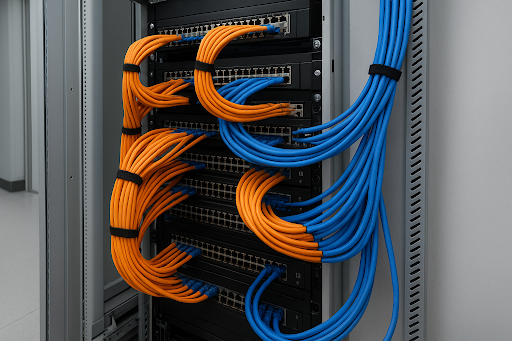
Lastly, well-labelled and neatly managed cables help technicians quickly identify and fix issues without disrupting other systems.
Supports Redundancy and Backup Systems
Mission-critical facilities depend heavily on redundancy. This means having a backup system ready in case the primary system fails. A proper cabling system supports redundancy by separating primary and backup cable routes.
If one cable path is damaged, the backup path can take over without any delay. Without proper planning, a single cable issue could affect both the primary and backup systems at the same time, leading to complete downtime.
Faster Maintenance and Troubleshooting
Downtime negatively affects speed and performance. A well-designed cabling system allows technicians to locate and fix faults quickly. Organized racks and clearly labelled cables reduce guesswork and save valuable time.
Conversely, messy or undocumented cabling can slow repairs and increase the risk of accidental disconnections. Proper cabling design makes routine maintenance safer and more efficient, lowering the chances of unexpected outages.
Allows Easy Scalability and Upgrades
Mission-critical facilities grow over time. New equipment, systems or servers are often added. Proper cabling design makes these upgrades simple without disrupting existing operations.
Structured cabling provides flexibility, making it easy to add or replace components without rewiring the entire facility. This reduces downtime during upgrades and ensures continuous operations.
Improves Long-Term Reliability
Professionally installed premium-quality cabling materials increase system lifespan. Proper cable routing protects the cable from moisture, electrical interference, and physical stress.
Over time, this reliability reduces emergency fixes and repair costs. A strong cabling foundation also helps in maintaining stable performance year after year, which is essential for facilities to avoid expensive system failures.
Bottom Line
Cabling design is one of the key factors that pivotally contributes to avoiding downtime in mission-critical facilities. Proper cabling improves reliability, supports backup systems, speeds up maintenance and ensures smooth expansion.
Therefore, organizations must invest in a well-planned cabling infrastructure to protect their operations, reduce risks and ensure smooth performance where it matters the most.