Uneven temperatures are a common problem in large buildings. One room feels too warm, another feels too cold, and some areas never seem comfortable, no matter how much the HVAC system runs. While many people blame HVAC equipment, the real issue is hidden behind the walls and ceilings, i.e., poor HVAC control wiring.
HVAC control wiring plays a crucial role in how heating and cooling systems communicate, respond, and adjust across large facilities, including schools, warehouses, hospitals, offices, and commercial buildings. Outdated, damaged, and poorly installed wiring makes temperature control unreliable.
How HVAC Control Wiring Works
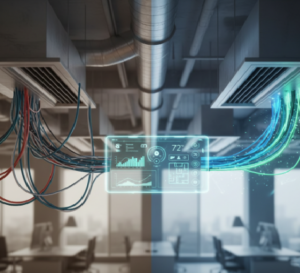
HVAC wiring connects sensors, dampers, thermostats, and control panels to heating and cooling equipment. These low-voltage wires send signals that tell the system when to turn on, where to send air, and how much heating or cooling is needed in each zone.
In large facilities, HVAC systems are divided into multiple zones. Each zone relies on accurate wiring to receive the correct temperature data and instructions. If the wiring fails, those instructions become delayed, incorrect, or completely lost.
Why Poor Wiring Leads to Uneven Temperatures
One key issue is weak and inconsistent signals. Damaged or low-quality wiring may cause signals to drop or arrive late. When this happens, it causes unequal arrival of heating and cooling among different zones. This results in hot and cold spots throughout the building.
Another common problem is incorrect zoning control. Poor wiring can cause thermostats to control the wrong areas or fail to activate dampers properly. For example, one thermostat may trigger cooling in multiple areas while another zone is left unchanged.
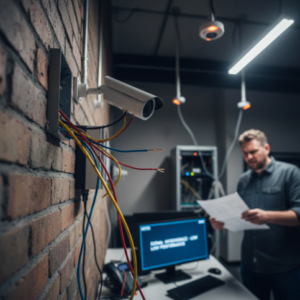
Lastly, old and messy wiring installation makes it challenging for systems to respond accurately. Unlabelled and tangled wiring increases the risk of crossed signals. Over time, confusion rises and causes a temperature imbalance across floors and departments.
The Impact of Building Size and Layout
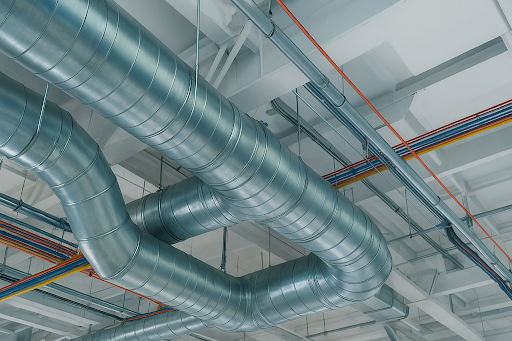
Large facilities make the problem worse. From multiple control panels to complex layouts and long wiring, everything depends on a neat and well-planned wiring design. Poorly installed wiring weakens signals when the distance increases.
High ceilings, kitchens, server rooms, and equipment-heavy areas also need special temperature control. Poor wiring prevents sensors from reporting real temperature conditions, causing the HVAC system to guess instead of respond accurately.
Energy Waste and System Strain
Uneven temperatures affect comfort and waste energy. When some areas are too warm or too cold, staff mostly adjust thermostats manually. This forces the HVAC system to work harder, resulting in more energy consumption and utility costs.
Poor wiring also causes frequent system cycling. The HVAC turns on and off more often than needed, which wears down components and shortens equipment lifespan.
Why Proper HVAC Control Wiring Matters
Good HVAC control wiring ensures accurate communication between all system components. It allows zoning systems to function correctly, sensors to provide real-time data, and dampers to adjust airflow properly.
Well-organized wiring also makes troubleshooting easier. Technicians can easily identify and fix issues, reduce downtime, and maintain consistent comfort throughout the building.
Bottom Line
Uneven temperatures in large facilities are not always an equipment problem; mainly, it’s a wiring problem that requires a quick fix. It allows zoning systems to function correctly, sensors to provide real-time data, and dampers to adjust airflow properly.
Therefore, large commercial buildings need to invest in properly designed, well-installed, and maintained HVAC control wiring to keep everything comfortable, reliable, and efficient.
It maintains the correct temperature all over the building without frustrating occupants and overworking the system.