
Slow internet in shared buildings is a common problem. Whether it’s a commercial plaza, an apartment complex, a multi-tenant office or a co-working space, relying heavily on poorly managed cabling can lead to congestion, weak signals and constant connection drops.
Amazingly, a well-planned, structured cabling system can resolve most of these issues by creating a smooth and reliable internet experience for everyone in the building.
Structured cabling may sound technical, but the concept is simple. It’s an organized, standardized approach to connecting the internet, devices, phone lines and building systems.
Well-organized and properly installed cables help networks run faster and cleaner with fewer disruptions.
Discussing some easy and practical structured cabling tips to improve internet performance in shared buildings significantly.
Start with a Clean and Organized Cabling Layout
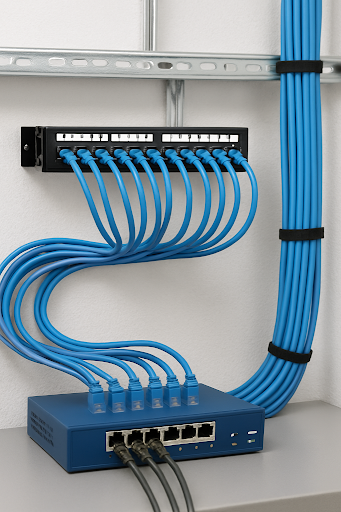
Messy cabling is one of the most significant and common issues in shared buildings. Tangled wires, random connections and cables running through different paths create signal interference and slow speeds.
A clean layout reduces data loss, makes troubleshooting quicker and improves connection stability.
If your building has cables lying on the floor, mixed with electric wires or running over ceiling tiles, now is the right time to organize. Make sure to use proper cable trays, racks and labels so every line is easy to identify and label.
Always Use High-Quality Cables
Shared buildings naturally have higher traffic and more connected devices. Using outdated or cheap cables can limit your network speed regardless of your internet plan.
For smoother performance and better speed, it’s preferable to use Cat6 or Cat6A cables for higher bandwidth and reduced crosstalk. Also, make sure to avoid Cat5 cables in high-traffic buildings.
Lastly, choose shielded cables if there is heavy equipment or electric noise.
High-quality cables cost slightly more upfront, but they prevent frequent failures and support high-speed internet for many years.
Centralize Your Network Equipment
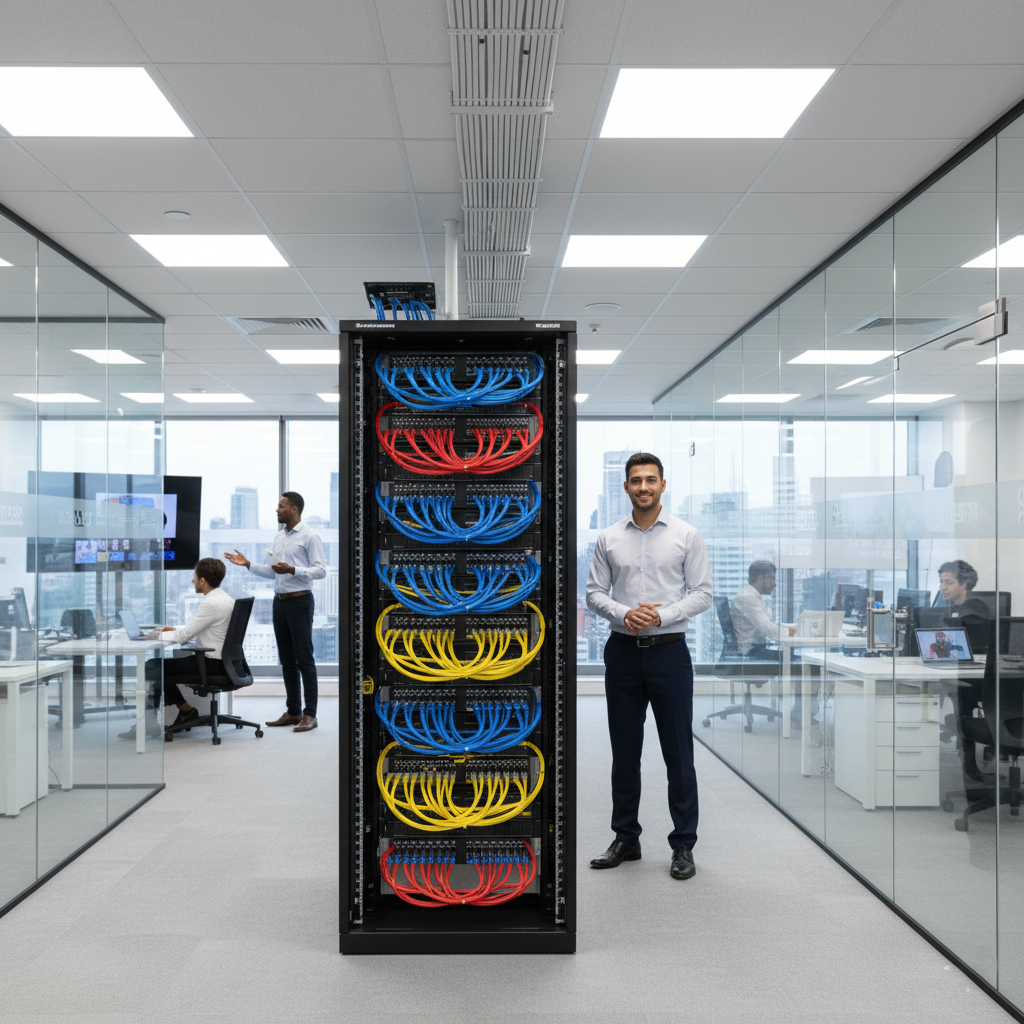
Instead of having internet equipment scattered across the floor or units, a centralized network room can truly benefit shared buildings. This IT hub can hold patch panels, switches, modems, routers, and backup power solutions.
It causes several benefits, including;
- Consistent network distribution.
- Strong maintenance and better monitoring.
- Easier troubleshooting reduces downtime.
Moreover, a centralized system prevents unauthorized access and accidental unplugging of key devices.
Separate Data, Voice, and Security Cabling
Shared buildings mostly rely on multiple systems, including WIFI, CCTV cameras, VoIP phones, access control, alarms and more. Running all cables together can weaken signals and create interference.
Here’s what you can do to avoid these issues;
- Keep data cabling separate from CCTV wiring.
- Use dedicated lines for the security system.
- Label every connection for quick identification.
This separation is essential to improve network performance as it increases overall building safety by keeping critical systems functional.
Invest in Proper Network Switches
Even the best cabling won’t perform well with outdated and overloaded switches. Shared buildings need fast, durable and smart-managed switches that can handle multiple users and heavy data flow.
Look for switches that offer;
- Gigabit or 10-Gigabit ports
- VLAN support for network separation
- QoS (Quality of Service) for prioritizing significant traffic
- PoE (Power over Ethernet) is used to power cameras or Wi-Fi access points
Modern switches ensure that internet traffic flows smoothly, even during the peak usage hours.
Plan for Multiple Wi-Fi Access Points
A single router is never enough in shared buildings, especially when signals must pass through walls, floors and long highways. Structured cabling helps you place multiple WIFI access points strategically across the building.
It removes dead zones, provides even coverage and supports more users without slowing down.
Therefore, instead of repeating signals, it’s better to wire each access point through structured cabling. Wired access points provide better speed and more reliability.
Keep Space for Future Expansion
Shared buildings keep growing and evolving. When more tenants move in, more devices connect, and internet needs increase over time. When planning cabling, think ahead.
Here’s how you can future-proof your building;
- Leaving extra room in conduits and cable trays.
- Installing additional ports in common areas
- Choosing cables that support higher speeds than you currently need.
This way, you don’t have to redo the entire system later.
Conclusion
Not every time improving internet performance in shared buildings requires complicated upgrades. Sometimes, a simple structured cabling improvement can make a considerable difference.
By using high-quality cables, organizing your layout, centralizing equipment, and planning access points correctly, you can create a faster, cleaner and more reliable network in shared buildings.
Structured cabling is a long-term investment that pays off through fewer complaints, organizing your layout, centralizing equipment, and planning access points properly, especially during peak usage hours or when demand for high-speed internet continues to grow.